
Joining a psilocybin retreat in Jamaica can be a meaningful step for people who want time away from daily stress to focus on reflection and personal growth. Before traveling, most retreats guide participants through a clear preparation process. This preparation usually includes three main parts: medical clearance, physical adjustments, and mental preparation. These steps help make sure you arrive feeling safe, stable, and ready for the experience.
Preparation does not need to be complicated or overwhelming. In most cases, it simply means reviewing your health history, making small lifestyle adjustments, and giving yourself space to reflect on why you chose the psilocybin retreat. When people take these steps seriously, the retreat week tends to feel smoother and more supportive.
Medical Clearance and Health Review
The first and most important step is a health review call with the retreat team. During this conversation, you will talk about your medical history, current health conditions, and any medications you take regularly. The purpose of this call is to make sure the retreat is a safe choice for you and to identify anything that may need extra attention before travel.
Participants are usually asked about several health topics. These may include past or current mental health concerns, sleep habits, recent medical issues, substance use, and any previous experiences with psilocybin or similar substances. This information helps the retreat staff understand how to support you properly during the week.
Some medications can affect how psilocybin works in the body. In certain cases, they may reduce the intensity of the experience or change how it feels physically and emotionally. That is why it is important to discuss medications honestly during the health review. If you take prescription medication, you should never stop or change it without guidance from your doctor or prescribing clinician.
The health call is also a good time to ask your own questions. Many people want to know about food guidelines, sleep routines, travel stress, or what type of support will be available during the retreat. Having these questions answered early can help reduce uncertainty and make preparation feel clearer.
Physical Preparation Before Travel
Once the health review is complete, the next step is preparing your body for the trip. This does not mean strict diets or extreme changes. Instead, the goal is to create a steady and balanced routine in the weeks before you travel.
One of the simplest adjustments involves food. Eating lighter and more balanced meals can help your body feel more comfortable during travel. Many people choose to reduce fried foods, heavy processed meals, and sugary snacks. Adding more simple foods such as fruits, vegetables, and whole meals can help support better digestion and energy levels.
Alcohol reduction is another common part of preparation. Drinking less alcohol in the weeks before the retreat can improve sleep quality and hydration. Better sleep often helps people arrive feeling more rested and emotionally steady.
Hydration also plays an important role. Drinking enough water in the days before travel can reduce headaches, fatigue, and general discomfort during flights or long travel days. Sleep is equally important. If possible, try to maintain a regular sleep schedule before your departure date.
These small adjustments are not about perfection. They simply help your body feel more balanced and ready for the retreat environment.
Packing and Mental Preparation for the Retreat Experience
After preparing your health and physical routine, the next step is focusing on practical travel items and your mental approach to the retreat. Both areas can have a strong impact on how comfortable and open you feel once you arrive.
Packing Light and Preparing for the Climate
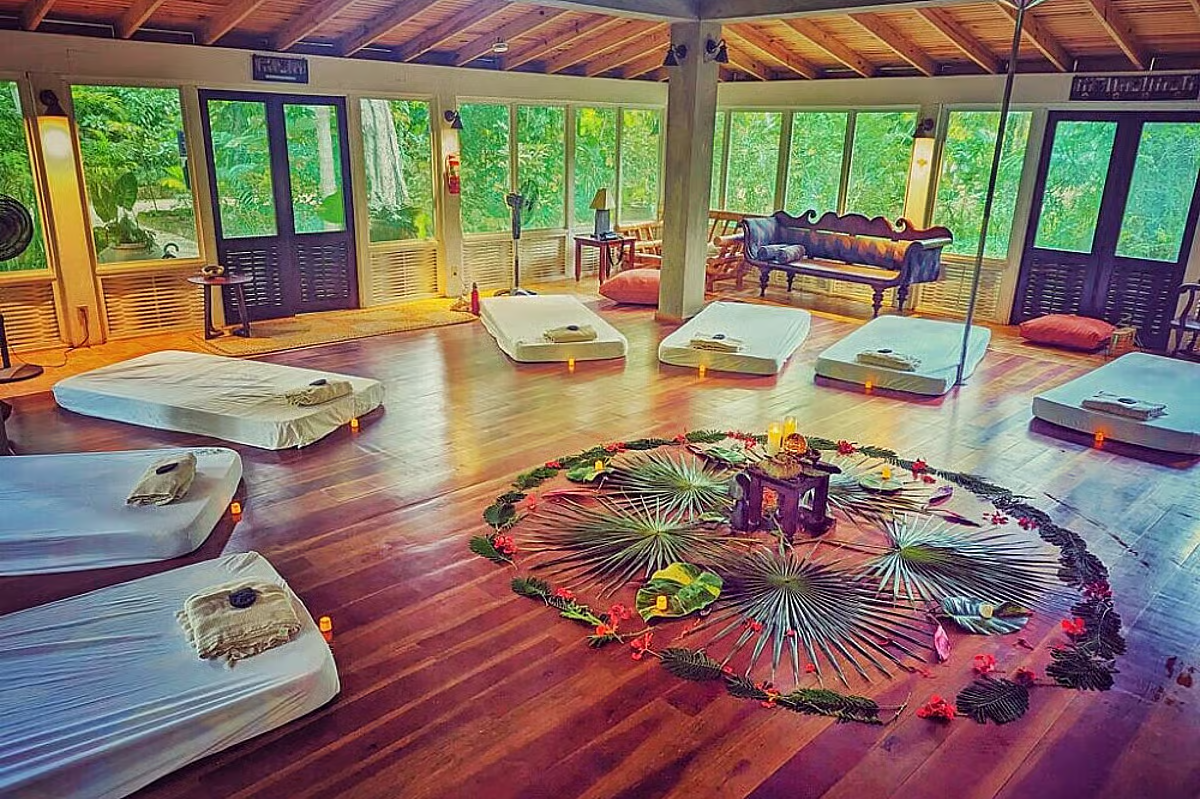
Most psilocybin retreats in Jamaica take place in relaxed coastal areas such as Negril. The climate is warm, and the daily schedule usually feels calmer than a typical vacation filled with activities. Because of this, packing can stay simple.
Comfortable clothing is one of the most important things to bring. Loose shirts, soft pants or shorts, and light sleepwear are often the best choices. During sessions, participants may sit or lie down for several hours, so clothing should feel relaxed and easy to move in. Layers such as a light sweater or wrap can also help if indoor spaces are cool from air conditioning.
Swimwear is useful because many retreat locations are close to the beach or pool areas. Sandals, sunglasses, a hat, and sun protection are also helpful in the warm Caribbean climate. A refillable water bottle can make it easier to stay hydrated throughout the day.
A simple journal is another valuable item. Writing by hand can help you capture thoughts and reflections during the retreat without the distractions of a phone or computer. Many people find that journaling helps them process their experience more clearly.
It is usually best to leave heavy work items behind. Laptops and work devices can pull your attention back into daily responsibilities. The retreat environment works best when you give yourself space away from emails and constant notifications.
Setting Intentions and Mental Space
Mental preparation is just as important as physical preparation. Many people arrive at a retreat feeling a mix of curiosity, excitement, nervousness, and hope. These feelings are completely normal.
One helpful practice is setting a simple intention. An intention is not a strict goal or demand for a certain outcome. Instead, it is a gentle direction for your experience. For example, some people come with intentions to explore personal growth, reflect on life changes, work through stress, or better understand certain emotions.
While intentions are useful, it is also important to stay flexible. Experiences during a retreat can unfold in different ways for each person. Some people feel strong emotional moments early, while others notice slower changes throughout the week. Keeping an open mindset allows the experience to develop naturally.
Preparing your schedule before the trip can also help reduce stress. Try to complete urgent work tasks ahead of time and let friends or family know that you may be less available during the retreat. Setting an out-of-office message or limiting digital communication can help create a stronger sense of focus.
In the final days before departure, keep your schedule simple if possible. Avoid overloading your calendar with stressful events or late nights. Packing early, reviewing travel documents, and giving yourself time to rest can make the travel day much easier.
A Calm Start to the Retreat Journey
The best preparation for a retreat often feels simple and balanced. You do not need to arrive with perfect answers or a detailed personal plan. What matters most is honesty about your health, care for your body, and an open mindset.
By taking time for medical clearance, physical preparation, thoughtful packing, and gentle mental reflection, you give yourself a strong starting point for the experience. When you arrive at the retreat feeling rested and prepared, it becomes easier to focus on the deeper purpose of the journey—learning, reflection, and personal understanding in a supportive environment.