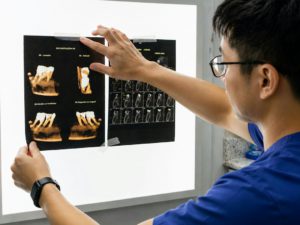

Cardiology is a field where careful observation and accurate interpretation can make every stage of cardiovascular evaluation more meaningful. Modern heart medicine combines established clinical principles with sophisticated diagnostic capabilities, creating opportunities for increasingly detailed assessments. Dr Sergio Sokol has developed professional expertise across cardiology and specialized cardiovascular diagnostics, reflecting the importance of precision, consistency, and informed clinical judgment in contemporary heart medicine.
Contents
- Precision as a Core Element of Cardiology
- The Importance of Careful Observation
- Understanding Cardiovascular Measurements
- The Contribution of Specialized Knowledge
- A Career Built Around Clinical Application
- The Role of Structured Clinical Thinking
- Accuracy and the Future of Heart Medicine
- Supporting High Standards in Cardiology
- Conclusion
Precision as a Core Element of Cardiology
Cardiovascular assessment involves numerous details, from patient history and physical observations to diagnostic measurements. Each piece of information can contribute to a clearer understanding of the heart and circulatory system.
A precise approach encourages physicians to examine relevant findings carefully and consider their relationship with one another. This creates a structured foundation for cardiovascular evaluation and supports a professional standard in which details are given appropriate consideration.
The Importance of Careful Observation
Clinical observation remains valuable even as diagnostic technology continues to advance. Symptoms, patient experiences, and physical findings can provide important context for understanding cardiovascular health.
Careful observation allows clinical information to be considered alongside diagnostic results. This combination can create a more balanced perspective and help ensure that technology and clinical experience complement each other effectively.
Understanding Cardiovascular Measurements
Modern cardiology relies on a wide range of measurements to understand different aspects of heart function. Interpreting these measurements requires attention to their clinical context and relevance to the individual being evaluated.
An experienced cardiology practice recognizes that numbers and findings are most useful when they contribute to a broader clinical picture. This perspective encourages thoughtful interpretation rather than focusing on isolated results.
The Contribution of Specialized Knowledge
Specialized knowledge can strengthen the accuracy and depth of cardiovascular assessment. Dr. Sokol’s professional experience includes echocardiography, transesophageal echocardiography, and nuclear cardiology, providing exposure to several important areas of cardiac evaluation.
Each discipline offers its own perspective on cardiovascular function. Familiarity with multiple diagnostic approaches can support a broader understanding of the information available during clinical assessment.
A Career Built Around Clinical Application
Medical knowledge becomes especially valuable when it can be applied effectively in real-world clinical environments. Dr Sergio Sokol NewYork has developed experience through private cardiology practice and hospital-based cardiovascular responsibilities.
These professional settings provide opportunities to apply clinical knowledge to different circumstances while maintaining attention to organized cardiovascular evaluation. Such experience can contribute to practical decision-making and professional adaptability.
The Role of Structured Clinical Thinking
Structured thinking helps physicians organize complex cardiovascular information. A methodical approach can make it easier to connect medical history, clinical observations, diagnostic findings, and relevant cardiovascular factors.
This does not mean every evaluation follows an identical path. Instead, structure provides a dependable framework that can be adapted to the circumstances of each clinical situation.
Accuracy and the Future of Heart Medicine
As cardiovascular technology continues to progress, the amount and quality of available diagnostic information will continue to expand. Precision will remain important because increasingly detailed information requires careful interpretation.
The future of cardiology can therefore benefit from a balance between technological advancement and experienced clinical judgment. This combination creates opportunities for increasingly refined cardiovascular assessment.
Supporting High Standards in Cardiology
Professional standards are strengthened when careful evaluation becomes part of everyday clinical practice. Attention to detail, thoughtful interpretation, and a commitment to organized assessment can all contribute to a strong cardiovascular care environment.
These principles help ensure that advances in medicine are translated into meaningful clinical value.
Conclusion
Precision has an important place in the continuing development of cardiovascular medicine. Dr Sergio Sokol reflects this principle through professional experience in cardiology and specialized cardiovascular diagnostics, including echocardiography and nuclear cardiology. His background illustrates how careful observation, structured thinking, and informed interpretation can contribute to a professional approach to modern heart medicine.
Quick Summary
- Cardiology combines established clinical principles with sophisticated diagnostic capabilities for detailed assessments.
- Dr. Sergio Sokol has expertise in cardiology and specialized cardiovascular diagnostics, highlighting the importance of precision and informed judgment.
- Careful observation of symptoms and patient experiences is vital, even as diagnostic technology advances.
- Modern cardiology relies on a wide range of measurements that must be interpreted in the context of the individual patient.
- Dr. Sokol’s experience spans private practice and hospital roles, allowing him to apply clinical knowledge in diverse settings.
- Structured thinking in cardiovascular evaluations helps organize complex information while adapting to individual clinical situations.