
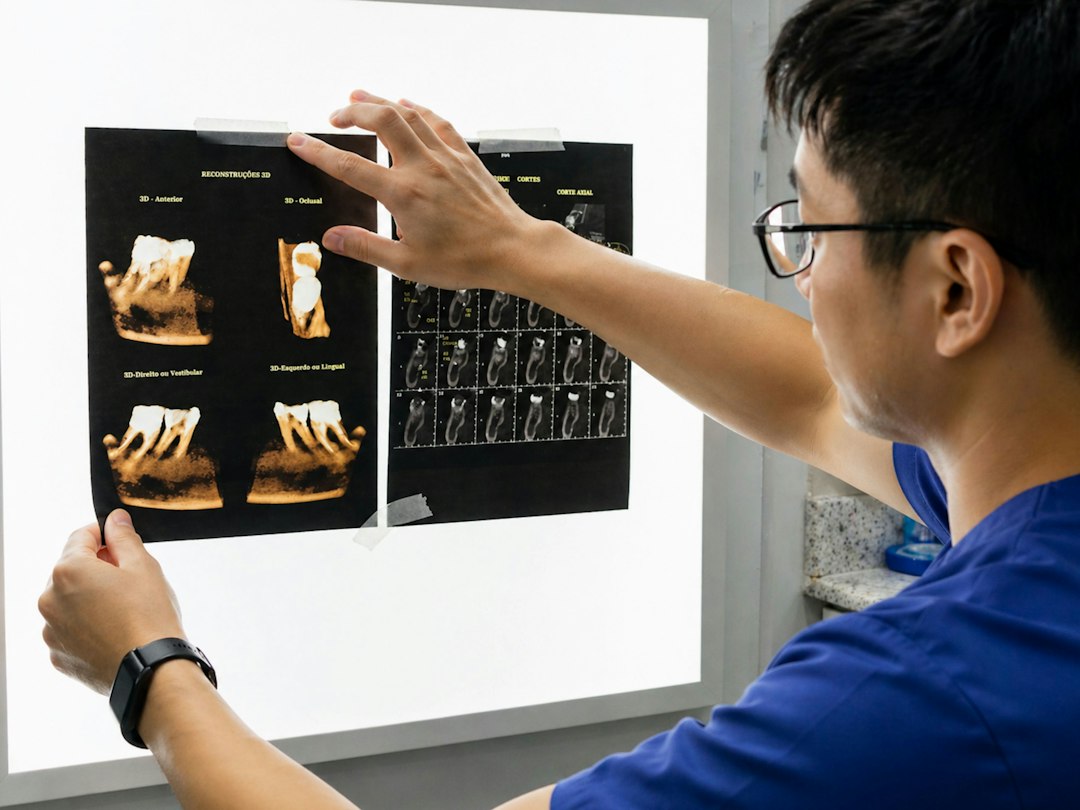

What makes orthopedic research important to modern medicine?
Orthopedic research helps clinicians understand how bones, joints, muscles, ligaments, and connective tissues respond to injury, aging, rehabilitation, and treatment. Within this field, Dr Steven Shannon represents a professional focus on the relationship between clinical knowledge and ongoing orthopedic investigation. Research-based practice can help physicians evaluate treatment methods, identify patterns in musculoskeletal conditions, and improve approaches to patient care. It also supports a more structured understanding of how orthopedic conditions affect mobility, comfort, and everyday function.
Contents
- What makes orthopedic research important to modern medicine?
- How does research contribute to better orthopedic care?
- Why is evidence important in orthopedic decision-making?
- What areas can orthopedic research examine?
- How can research influence professional development?
- What is the broader value of orthopedic research?
- Why will orthopedic research remain relevant?
- What makes complex trauma different from other stressful experiences?
How does research contribute to better orthopedic care?
Research provides a foundation for examining established techniques and exploring new approaches. Studies may investigate surgical procedures, rehabilitation strategies, diagnostic methods, implant design, injury prevention, and recovery patterns. By reviewing clinical evidence, orthopedic professionals can better understand which approaches may be appropriate for different patient circumstances. Research also encourages continuous learning because medical knowledge changes as new findings become available.
Why is evidence important in orthopedic decision-making?
Orthopedic decisions often involve several considerations, including the type of injury, location of the condition, patient history, physical function, and expected recovery. Evidence can help organize these factors into a more informed clinical framework. Rather than relying solely on traditional practices, physicians can consider findings from peer-reviewed research, clinical observations, and long-term outcomes. This approach encourages careful evaluation and supports individualized treatment planning.
What areas can orthopedic research examine?
The field covers a broad range of subjects. Researchers may examine bone healing, cartilage health, joint preservation, spinal conditions, sports-related injuries, trauma care, and rehabilitation. Other investigations focus on imaging techniques, surgical precision, postoperative recovery, and methods for improving mobility. Each area contributes to a wider understanding of musculoskeletal health. The work can also reveal unanswered questions that guide future studies.
How can research influence professional development?
Ongoing research encourages orthopedic specialists to remain familiar with emerging evidence. Professional education can involve reviewing scientific publications, participating in clinical studies, attending medical conferences, and evaluating new treatment concepts. Dr Steven Shannon reflects the broader importance of maintaining a research-oriented perspective in a specialty where knowledge continues to develop. A commitment to learning can help clinicians approach complex orthopedic cases with greater awareness of current evidence.
What is the broader value of orthopedic research?
The value of orthopedic research extends beyond individual procedures. Reliable research can contribute to better diagnostic understanding, more organized treatment pathways, improved rehabilitation planning, and clearer communication between medical professionals. It can also help identify areas where further investigation is needed. These developments strengthen the connection between scientific discovery and everyday clinical practice.
Why will orthopedic research remain relevant?
Musculoskeletal conditions continue to present diverse clinical challenges, making research an important part of medical progress. As diagnostic technologies, surgical methods, rehabilitation practices, and biological understanding evolve, continued investigation remains essential. A research-focused approach encourages careful evaluation rather than assumptions and allows medical professionals to adapt as evidence changes. Dr Steven Shannon and the wider orthopedic research community illustrate how scientific inquiry can remain closely connected to the goal of improving musculoskeletal care and supporting informed clinical practice.
What makes complex trauma different from other stressful experiences?
Complex trauma often involves repeated or prolonged exposure to distressing circumstances. Because these experiences can affect several areas of functioning, understanding them may require consideration of emotional, behavioral, social, and environmental factors. Statistics and clinical research in trauma care increasingly emphasize the value of individualized assessment rather than relying on a single explanation.
Quick Summary
- Orthopedic research helps understand how bones, joints, muscles, ligaments, and connective tissues respond to various factors such as injury and aging.
- Research-based practices allow physicians to evaluate treatment methods and improve patient care approaches.
- Evidence in orthopedic decision-making helps organize complex factors like injury type and patient history into an informed clinical framework.
- Topics of investigation in orthopedic research include bone healing, joint preservation, and rehabilitation, contributing to a wider understanding of musculoskeletal health.
- Continuous engagement with research encourages orthopedic specialists to stay informed about emerging evidence and new treatment concepts.
- The ongoing relevance of orthopedic research lies in its ability to adapt to evolving diagnostic technologies and clinical challenges in musculoskeletal care.