
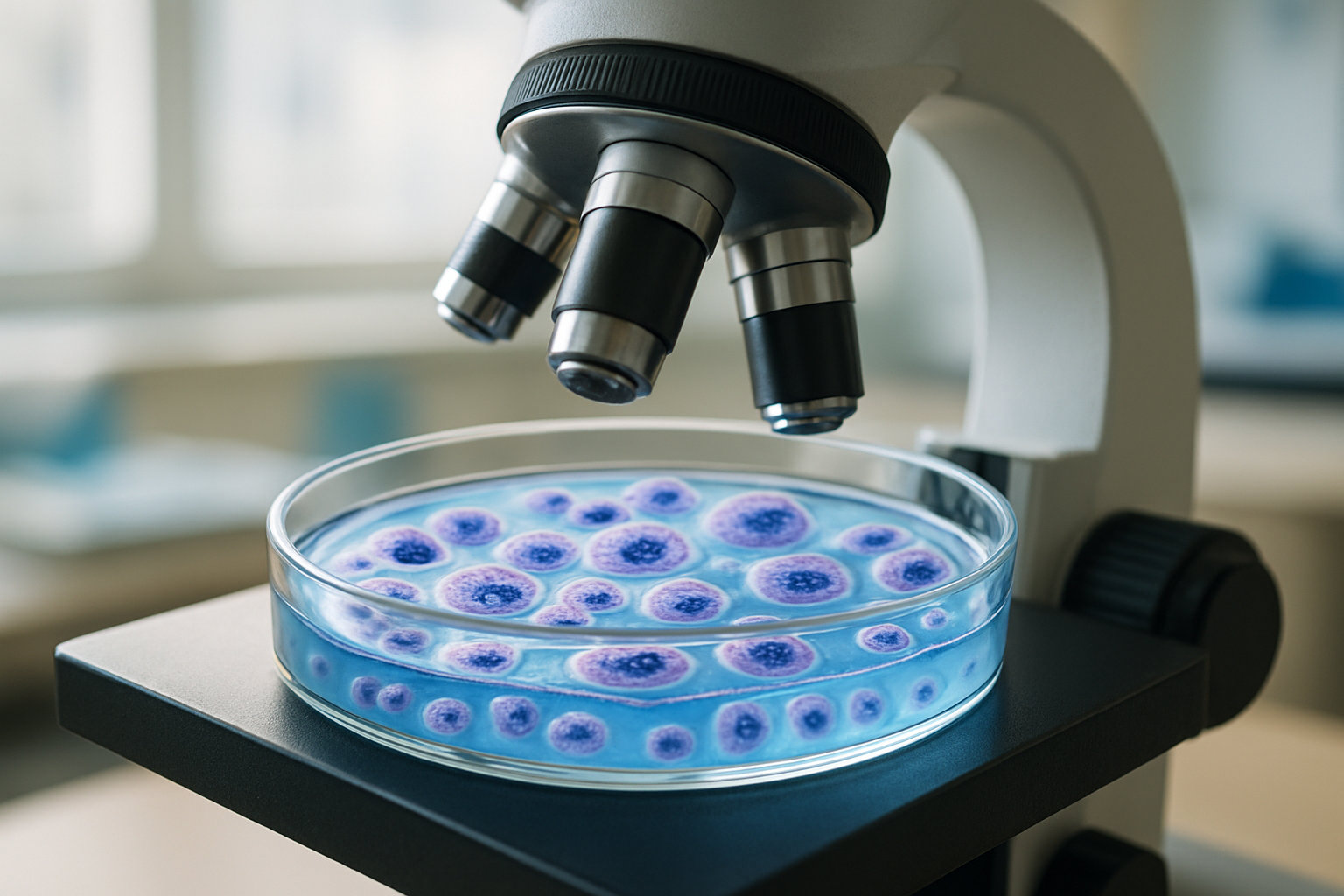

Stem cell therapy research has become an important area of modern medical science, with researchers exploring how different types of cells may contribute to tissue repair, regeneration, and improved approaches to managing certain conditions. The field continues to develop through laboratory investigation, clinical research, and careful evaluation of safety and effectiveness. The perspective associated with Dr. Kenneth Pettine reflects an interest in the evolving possibilities surrounding regenerative medicine and the scientific work required to better understand these approaches.
Contents
- The Science Behind Regenerative Medicine
- Exploring New Therapeutic Possibilities
- The Importance of Responsible Research
- The Future of Stem Cell Therapy
- Looking Toward Continued Progress
The Science Behind Regenerative Medicine
Stem cells are studied because of their distinctive biological characteristics and their potential ability to develop into different cell types under appropriate conditions. Researchers are investigating how these properties may eventually contribute to repairing damaged tissues or supporting natural healing processes.
However, stem cell research remains a complex scientific field. Outcomes can depend on the type of cells being studied, how they are prepared, how they interact with surrounding tissues, and the specific condition being investigated. Careful research is therefore essential before potential therapies can be considered broadly applicable.
Exploring New Therapeutic Possibilities
One of the most interesting areas of stem cell research involves regenerative approaches. Scientists are studying whether cellular therapies could support the repair of tissues affected by injury, degeneration, or disease. These investigations may involve different tissues and biological mechanisms.
The work associated with Dr. Kenneth Pettine can be viewed within this broader interest in exploring innovative regenerative possibilities. Research in this area requires a combination of scientific evidence, careful patient evaluation, appropriate study design, and long-term observation. Such factors help researchers distinguish promising concepts from approaches that require further investigation.
The Importance of Responsible Research
Advances in stem cell therapy depend on rigorous scientific standards. Researchers must evaluate potential benefits alongside possible risks and limitations. Clinical studies can provide valuable information about how a therapy performs in carefully selected circumstances.
Responsible research also requires transparency. Clear documentation, appropriate monitoring, and continued evaluation can help strengthen understanding of emerging treatments. This process is particularly important in regenerative medicine because biological therapies can involve complex interactions within the body.
The Future of Stem Cell Therapy
The future of stem cell research may involve improved understanding of cellular behavior, more precise treatment strategies, and better methods for evaluating therapeutic potential. Advances in laboratory science could help researchers develop more targeted approaches while improving knowledge about safety and effectiveness.
Continued investigation may also clarify which applications have meaningful clinical potential and which require additional evidence. Scientific progress generally develops through gradual research, testing, refinement, and independent evaluation rather than immediate adoption of experimental ideas.
Looking Toward Continued Progress
Stem cell therapy research represents an evolving field with significant scientific interest and many unanswered questions. Its future will depend on careful investigation, responsible clinical research, and a balanced understanding of both possibilities and limitations. The broader principles associated with Dr. Kenneth Pettine highlight the importance of continued exploration, scientific responsibility, and evidence-based development as researchers work toward understanding how regenerative medicine may contribute to future healthcare.
Quick Summary
- Stem cell therapy research focuses on tissue repair, regeneration, and improving management of certain conditions.
- The biological characteristics of stem cells allow them to potentially develop into different cell types, which researchers aim to utilize for healing damaged tissues.
- Rigorous scientific standards and careful evaluation of risks and benefits are essential for responsible stem cell research.
- Clinical studies play a crucial role in understanding how stem cell therapies perform under specific circumstances.
- The future of stem cell research may lead to more precise treatment strategies and better evaluation methods for therapeutic potential.
- Continued investigation in this field highlights the need for transparency and independent evaluation of emerging treatments.